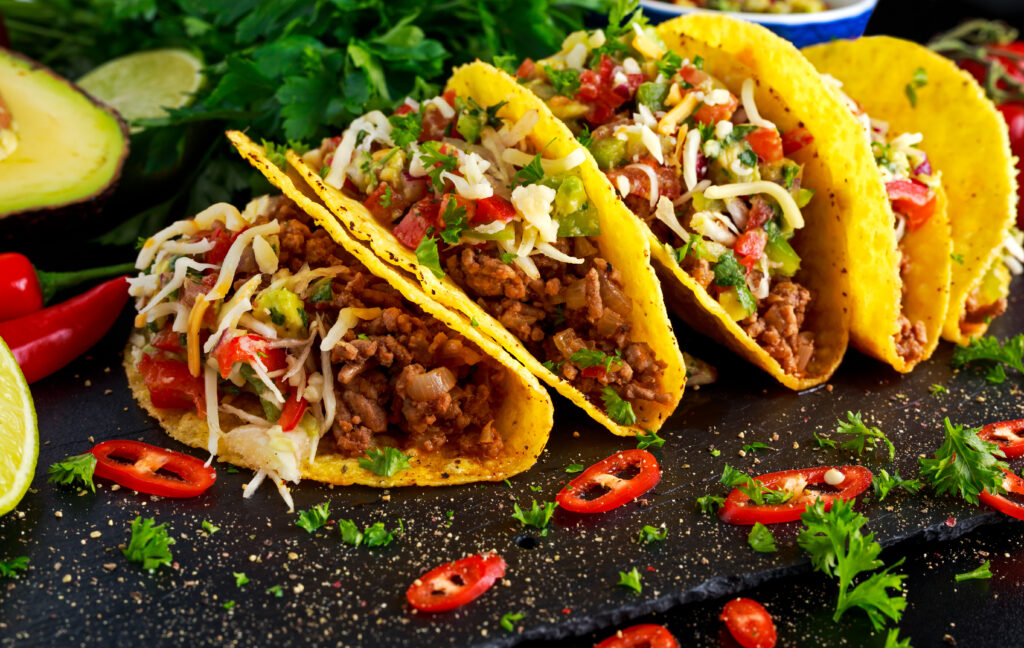
A Chicago man’s attempt to lead a class action lawsuit against Buffalo Wild Wings has stirred up more than just sauce — it also highlighted a debate about truth in advertising, consumer protection, and the growing wave of frivolous lawsuits that many experts say clog America’s courts.
According to a Chicago Sun-Times report, plaintiff Aimen Halim accused Buffalo Wild Wings of misleading customers by labeling chunks of chicken breast meat as “boneless wings.” Halim claimed the restaurant’s menu language constituted false advertising because the product contains no actual wing meat. The lawsuit argued that customers were duped into paying premium prices for what the plaintiff says are basically chicken nuggets.
The “Boneless Wings” Controversy
The Buffalo Wild Wings lawsuit highlights a persistent problem in consumer protection law: consumer protection statutes are increasingly being leveraged for lawsuits that don’t seem to have much to do with “protection” at all. In this case, as Judge John Tharp, Jr. said in his eventual ruling, “Boneless wings are not a niche product for which a consumer would need to do extensive research to figure out the truth. Instead, ‘boneless wings’ is a common term that has existed for over two decades.”
Buffalo Wild Wings responded to the lawsuit with sarcasm, posting on Twitter (now X): “It’s true. Our boneless wings are all white meat chicken. Our hamburgers contain no ham. Our buffalo wings are 0% buffalo.” The case underscores an ongoing cultural shift— one where lawyer-driven consumer “protection” litigation seeks to exploit alleged inconsistencies to earn a payday, often in defiance of common sense and prevailing norms.
Ultimately, as Chicago news station WGN-9 went on to report, Judge Tharp threw the case out. Per the judge, “Despite his best efforts, Halim did not ‘drum’ up enough factual allegations to state a claim. Though he has standing to bring the claim because he plausibly alleged economic injury, he does not plausibly allege that reasonable consumers are fooled by BWW’s use of the term ‘boneless wings.’” in short, as WGN put it, the plaintiff’s claims did not “have enough meat on the bone.”
When Lawsuits Go Too Far
While transparency matters in advertising, the surge in sometimes-questionable false advertising lawsuits targeting food and beverage companies contributes to a large and increasingly unsustainable lawsuit wave. According to research from the U.S. Chamber Institute for Legal Reform (ILR), the U.S. tort system costs the economy hundreds of billions of dollars annually — an amount that ultimately raises prices for consumers and burdens small businesses.
ILR’s Tort Costs in America: An Empirical Analysis of Costs and Compensation of the U.S. Tort System, underscores the staggering financial burden lawsuits impose on the U.S. economy, significantly impacting affordability for American households. The report reveals that the U.S. tort system cost $529 billion in 2022, equating to 2.1% of the nation’s GDP and $4,207 per household. That cost shows up through a myriad of price tags consumers encounter in their daily lives, from groceries, to medical care, to insurance, and beyond. Addressing these inefficiencies through legal reform is essential to create a fairer and more affordable system.
A Call for Balance and Reform
The Buffalo Wild Wings boneless wings lawsuit should prompt an important conversation about whether the current lawsuit system is too permissive. Beyond the question of cost, when courts are flooded with questionable, borderline or frivolous cases, relief for legitimate grievances risk being delayed, and businesses are left footing unnecessary legal bills.
The eighth edition of ILR’s 101 Ways: A User’s Guide to Promoting Fair and Effective Civil Justice, offers many ways for judges and policymakers to address the problem of excessive litigation. Reforms such as clearer pleading standards, stronger thresholds for class actions, promoting more rational liability rules, and early dismissal of meritless suits help preserve judicial resources while still protecting consumers’ rights.
Ultimately, not every marketing dispute belongs in a courtroom. Whether a “boneless wing” is truly a wing might be a matter of semantics — but ensuring America’s legal system focuses on cases that truly matter is something that’s worth fighting for.